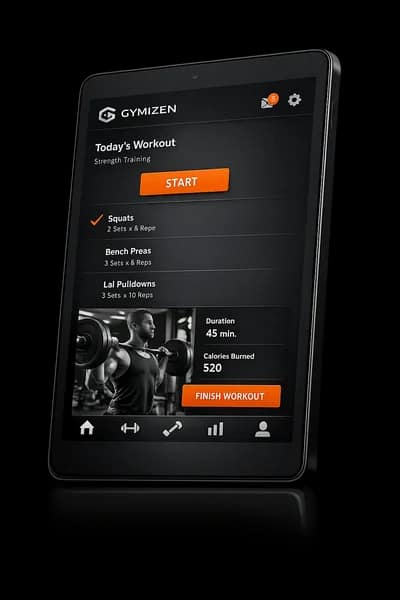


Coach pay is not just a payroll decision. In boutique fitness, it’s an operating system decision—because compensation is the strongest “silent policy” you have. It shapes whether coaches protect class quality, whether they cover last-minute subs, whether they help new members feel seen, whether they sell personal training (or avoid it), and whether your schedule runs like a promise or like a gamble.
Operators usually revisit compensation after one of three moments: (1) margin starts tightening, (2) the schedule becomes fragile (late cancels, frequent subs, inconsistent class quality), or (3) the best coach threatens to leave. If you wait for one of those moments, you’ll be negotiating under pressure. This guide is about designing coach compensation before your operation forces your hand.
We’ll break down the common pay models, what they incentivize, where they fail, and how to choose the right structure for your vertical (yoga, pilates, CrossFit, martial arts, boxing) and your stage (single location vs. scaling). This is not a setup tutorial—it’s operating judgment you can apply regardless of software.
First principles: what you’re really paying for
Most studios say they pay coaches “to teach.” But what your business needs is broader. Before you touch numbers, get crisp on the actual outcomes you expect from the role. In boutique fitness, the coach is often simultaneously:
- A service provider (safe, effective, high-quality coaching)
- A retention lever (relationships, accountability, belonging)
- A capacity stabilizer (reliable coverage, punctuality, consistency)
- A sales influence (referrals, upgrades, PT/privates, challenges)
- A brand carrier (standards, culture, values, professionalism)
Compensation should match those outcomes. If your pay model rewards only one of them (like attendance), you’ll unintentionally underpay (or ignore) the rest—and the operation will drift.
If you don’t choose your incentives, your incentives choose your outcomes.
The hidden failure mode: paying for “full classes” instead of “great memberships”
It’s tempting to tie pay to class size because it feels objective and fair. But optimizing for full classes can backfire. Coaches may chase high-energy “fan favorites” while neglecting beginners, technique, onboarding, or quieter time slots that are operationally necessary. You can end up with a studio that looks busy at 6pm but leaks members everywhere else.
A better operator question is: What behaviors create long-term, stable memberships? Typically those behaviors look like: consistent class quality, predictable schedule coverage, proactive member touchpoints, and a culture that doesn’t depend on one superstar.
The five main compensation models (and what they actually incentivize)
Most boutique studios use a blend of these. The key is understanding the “behavioral gravity” each model creates—because coaches will naturally optimize their income with the least friction.
1) Flat per-class pay
What it is: A fixed rate per class taught (e.g., $35/class).
What it incentivizes: reliability and simplicity. Coaches know what they’ll earn; you know what a class costs. It also supports consistent culture because you’re not pitting instructors against each other for attendance.
Where it fails: it doesn’t reward extra effort that grows the business (onboarding, community, upsells), and it can create resentment when one coach teaches consistently packed classes while another teaches small ones for the same pay. It can also reduce urgency around marketing and member experience unless you manage standards tightly.
- Martial arts schools with structured curricula and belt progressions (quality and consistency matter more than “packed class vibes”).
- Newer studios prioritizing operational stability and predictable payroll.
- Studios with strong central programming (CrossFit-style programming or standardized formats) where class outcomes shouldn’t vary wildly by coach.
2) Tiered per-class pay (experience/role tiers)
What it is: Fixed per-class rates, but tiered by certification, tenure, role (coach vs. lead coach), or class type (advanced specialty vs. fundamentals). Example: Tier A $30, Tier B $40, Tier C $55.
What it incentivizes: skill development and leadership. It also makes it easier to justify higher pay without relying on class size.
Where it fails: if the tiers aren’t tied to observable behaviors, it becomes political (“Why are they Tier C?”). Another failure mode: you pay more for credentials but don’t actually get better retention, safety, or quality.
- Define tiers by standards you can coach: class flow, member recognition, safety cues, punctuality, follow-up, and ability to teach beginners.
- Run a simple quarterly calibration: observe 1–2 classes per coach and document feedback.
3) Per-head (attendance-based) pay
What it is: A base rate plus an amount per attendee (or a pure per-attendee rate). Example: $20 base + $2 per head.
What it incentivizes: coaches care about attendance, energy, and member relationships. It can motivate instructors to promote their classes and retain “their people.”
Where it fails: it can create internal competition, schedule politics, and “prime-time hoarding.” It can also incentivize the wrong kind of popularity: entertainment over coaching, intensity over safety, advanced members over new members, and a subtle resistance to substitutions (because the sub might “steal” attendance).
- When your studio already has peak-time congestion and off-peak softness (attendance pay amplifies the gap).
- When you need coaches to rotate across time slots for coverage.
- When your brand promise is technique and progression (pilates, martial arts), not just “good vibes.”
4) Base + performance bonus (bonuses tied to outcomes you choose)
What it is: A predictable base per class (or hourly) plus bonuses tied to specific, measurable outcomes: retention indicators, schedule coverage, member feedback, PT conversions, or operational tasks.
What it incentivizes: alignment. You can reward what matters without making every paycheck volatile.
Where it fails: if your metrics are noisy, unfair, or gamable. If coaches don’t trust the numbers, bonuses feel like manipulation. If bonuses are too complex, people stop paying attention.
5) Revenue share (common for personal training, privates, and specialty programs)
What it is: Coaches earn a percentage of revenue for sessions they deliver (or for a program they run). This is especially common in martial arts privates, boxing mitt work, and pilates private sessions.
What it incentivizes: initiative, client outcomes, and upsell activity—when done well. It can also allow you to scale high-ticket services without guessing demand.
Where it fails: it can cannibalize group class energy if coaches treat group classes as lead gen but don’t deliver great group experiences. It can also create fairness issues if the studio controls lead flow unevenly.
A practical framework: choose your “non-negotiable outcomes,” then pay for them
Instead of starting with “what do other studios pay?”, start with your operation. Pick 3–4 non-negotiable outcomes you want compensation to protect. Here are the most common in boutique fitness:
- Schedule reliability: classes run as published, coverage is stable, subs don’t feel like emergencies.
- Consistent class quality: warm-up, coaching points, scaling/modifications, safety, flow, time management.
- Beginner success: new members feel welcomed, get coached, and return in week 2 and week 4.
- Member relationships: names remembered, milestones celebrated, check-ins when someone disappears.
- Revenue protection: policies followed, no “freebies” that create entitlement, fair enforcement.
Then design pay so that at least one component directly supports the first two outcomes (reliability and consistent quality). If your pay plan doesn’t protect reliability, you’ll eventually pay for it anyway—in churn, refunds, make-goods, and staff burnout.
The compensation mistakes that quietly increase churn
Churn rarely shows up as “I left because coach pay was unfair.” It shows up as inconsistent experiences, cancellations, cliques, and lack of connection. These are the most common compensation-driven churn patterns operators can actually fix.
Mistake #1: incentivizing prime-time hoarding
If the best-paid shifts are also the most desirable (evenings/weekends) and your pay model rewards headcount, your schedule becomes a battleground. Coaches fight for the same slots, off-peak classes get “whoever is available,” and members learn that the experience depends on the time of day. That’s a retention tax.
- Pay a small reliability premium for historically hard-to-staff time blocks (midday, early AM), even if attendance is lower.
- Rotate coaches through less popular slots as part of a “full-team schedule,” especially in CrossFit and martial arts.
- Tie any attendance-based bonus to quality gates (on-time starts, consistent format, beginner support).
Mistake #2: paying for sales outcomes without owning the lead flow
If one coach gets a steady stream of intros, while another teaches mostly regulars, then paying for conversions or PT revenue becomes a fairness problem. The “best” coach might just be the one closest to the leads. This creates resentment—and coaches will stop collaborating.
If you want sales-linked compensation, you need an operator-owned system for lead distribution, intros, trials, and follow-up. Otherwise, keep incentives focused on service and retention behaviors you can observe and coach.
Mistake #3: creating paycheck volatility that pushes good coaches out
Boutique coaches are often part-time, juggling multiple studios. If your pay fluctuates wildly week to week, you will lose your most reliable people to the studio that offers predictability—even if your “upside” is theoretically higher.
A stable base rate with targeted bonuses typically outperforms a pure variable model for retention of staff—especially in yoga and pilates where coaches may teach at several locations.
Mistake #4: paying for credentials, not performance
Certifications matter, but members stay because they feel progress, safety, and connection. If your tiers are mostly “paper-based,” you can end up overpaying for coaching that doesn’t translate into member outcomes. Your best retention coaches are often the ones who learn names, scale intelligently, and follow up—not necessarily the ones with the most letters after their name.
Vertical-specific guidance (what tends to work in each boutique model)
Compensation should reflect what makes the product “work.” Here are practical tendencies by vertical—use them as starting points, not rules.
Yoga
- Common best-fit model: tiered per-class pay + small bonuses for reliability and member experience.
- Why: yoga retention is often relationship + ritual. You want consistency and a calm, predictable operating culture more than a “performance hustle.”
- Watch-out: per-head pay can push teachers to chase popularity and avoid teaching basics (which new members need).
Pilates (especially reformer studios)
- Common best-fit model: higher base per-class pay (because skill demand is high) + revenue share for privates.
- Why: the product is precision and safety. Paying for quality and professionalism protects your brand and reduces injury risk.
- Watch-out: if privates pay dramatically more than group classes, some instructors will treat group as a funnel and neglect group experience.
CrossFit / functional fitness group training
- Common best-fit model: flat or tiered per-class pay + role-based stipends (programming, on-ramp, community lead).
- Why: operational stability matters. Members expect the schedule to run. The best coaches create sticky communities through consistency and standards.
- Watch-out: per-head pay can create unsafe intensity bias (more hype, less coaching) and internal competition.
Martial arts (BJJ, karate, taekwondo, MMA gyms with structured classes)
- Common best-fit model: flat per-class pay + progression responsibilities (curriculum, belt testing) compensated as a separate role.
- Why: the product is skill progression + belonging. Consistency and curriculum integrity are more important than attendance spikes.
- Watch-out: if your best instructor is also your de facto manager but not paid for leadership, you’ll burn them out or lose them.
Boxing / kickboxing / conditioning studios
- Common best-fit model: base per-class pay + attendance modifier within a narrow band + revenue share for mitt work/privates.
- Why: energy matters, but so does safety and consistency. A small modifier can encourage engagement without turning classes into popularity contests.
- Watch-out: large attendance-based swings create schedule politics fast, especially when prime-time classes are naturally fuller.
Designing a pay plan that supports reliability (the most undervalued retention lever)
Members don’t describe it this way, but schedule reliability is a core part of your product. Every cancellation, last-minute sub, or inconsistent start time trains members not to build their week around you. That’s churn fuel.
If you want a retention wedge, pay for reliability directly. Here are operator-friendly approaches that don’t require complicated tracking:
- Coverage credit: a small bonus for picking up a same-day sub (because it protects the member promise).
- Consistency premium: a monthly bonus for coaches who teach their scheduled classes with minimal drops and no avoidable last-minute changes.
- Hard-slot premium: slightly higher base for time slots historically hardest to staff (not based on attendance).
Notice what’s missing: none of these require you to turn coaching into a spreadsheet contest. They simply acknowledge that reliability is part of the product—and compensate accordingly.
How to set pay without guessing: start from “cost per delivered class” and “retention value”
Operators often price coach pay by copying local studios. That’s not strategy; it’s risk transfer. Instead, anchor your decision in two practical numbers:
- Cost per delivered class: your fully loaded cost to run one class reliably (coach pay + payroll taxes + any prep/admin time you pay for).
- Retention value: what one saved membership month is worth to you in contribution margin (not revenue).
Why this matters: many owners try to “save” $10–$15 per class by holding coach pay down, then lose one member per month due to inconsistent coaching and coverage. That trade is almost always negative. Paying slightly more for a stable, high-quality coach team often wins on margin because it reduces churn and emergency operational costs.
Make it workable: the operator checklist (without turning it into a bureaucracy)
A pay plan fails when it’s too complex to administer consistently—or when it depends on perfect data and perfect behavior. Use these decision criteria to keep your system operator-led:
- Clarity: can a coach explain how pay works in one minute to a new hire?
- Fairness: are coaches paid for things they can control (or at least influence)?
- Consistency: can you apply it the same way across the team without exceptions every week?
- Non-negotiables protected: does it directly support reliability and class quality?
- Culture alignment: does it encourage collaboration, or silent competition?
Three example compensation packages (templates you can adapt)
These are not “universal best practices.” They’re examples of balanced packages that avoid the most common incentive traps.
Example A: Stability-first studio (newer location, schedule fragility risk)
- Base: flat per-class pay (simple, predictable).
- Tiers: 2–3 tiers based on observed coaching standards (not popularity).
- Reliability bonus: monthly bonus for consistent coverage + same-day sub pickups.
- PT/privates: revenue share, but only if group class standards remain strong (quality gate).
Example B: Growth studio with strong demand (need quality at scale)
- Base: tiered per-class pay + lead coach stipend (programming, mentoring, standards).
- Small attendance modifier: capped upside/downside to prevent volatility and schedule politics.
- Team bonus: quarterly bonus if studio hits a retention/attendance stability target as a team (encourages collaboration).
Example C: Technique-first studio (pilates or martial arts; brand is instruction quality)
- Base: higher flat per-class pay anchored to professionalism and safety.
- Progression role pay: separate compensation for curriculum, assessments, belt testing, or specialty series.
- Private sessions: revenue share with clear lead assignment rules (so it’s fair).
- No attendance pay: because it can bias toward entertainment over technique.
How Gymizen fits (without turning this into a software tutorial)
As an operator-led platform, Gymizen is built around the idea that retention is created by proactive operations: reliable scheduling, consistent member experience, and clear accountability. Whatever compensation model you choose, your edge comes from running it consistently—tracking the few signals that matter, spotting exceptions early, and keeping operator control over policies and outcomes.
The point isn’t to “optimize payroll.” The point is to protect the product you sell: a consistent experience members can build their week around.
Conclusion: pay for the operation you want to run
A great coach pay plan does three things at the same time: it keeps payroll predictable enough to protect margin, it rewards behaviors that create retention (not just attendance spikes), and it creates a culture where your team collaborates to deliver a consistent member experience.
If you take only one action after reading this, do this: define your top 3 non-negotiable outcomes (reliability, quality, beginner success is a strong trio), then adjust compensation so at least one component directly supports each outcome. When incentives match the operation, you reduce churn without begging members to stay—and you build a studio that doesn’t depend on heroics.