

Attendance is necessary, but it is not the full member story
Attendance is one of the most useful member signals in martial arts gyms, but it is only the start. Operators also need package context, membership status, communication history, and class-fit patterns.
Without that broader context, the team can see that a student is missing classes without understanding why the pattern is changing.
That usually leads to generic follow-up and slower intervention, which is a weak response in a business built on routine, discipline, and community.
The member record should answer operational questions fast
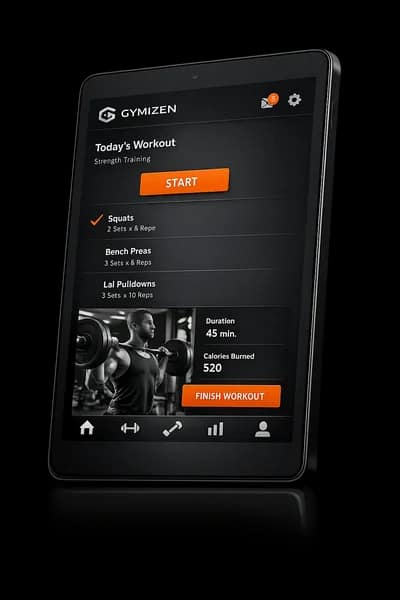
When a coach or operator opens a member drawer, they should be able to understand the relationship quickly enough to decide on the next action.
That means the drawer should support both coaching context and operator context, not just contact details and membership status.
- Recent attendance and booking outcomes
- Membership or package status
- Revenue history and recent purchases
- Recent communication and outreach context
- Instructor or class patterns that suggest a fit issue
Better member context helps coaches do better work
Coaches do better work when they are not walking in blind. If they can see recent attendance, preferred classes, and current package situation, they can make better conversations happen before and after training.
That improves the quality of the member experience without forcing coaches to dig through multiple systems or rely on memory.
For martial arts businesses, that context also supports progression conversations. A student who is training less consistently may not only be a retention risk. They may also need guidance on fit, cadence, or expectations.
Communication history matters because inconsistency compounds fast
A member relationship usually includes more than attendance. The gym may already have followed up about a missed streak, a package issue, a belt progression discussion, or a schedule recommendation. That communication history should stay close to the record.
Without it, the team risks sending duplicate or inconsistent messages that make the gym feel disorganized.
In martial arts, where relationships often extend over years, the memory of the business should not depend on whichever staff member happens to be at the desk that day.
Retention improves when the team can respond with specifics
Retention improves when the team can respond with specifics instead of generic check-ins. Better member records make that possible because they give the operator and the instructor a shared operating context.
That turns member management into a stronger retention workflow, not just an admin database.
It also improves reporting, because the gym can connect attendance and revenue changes back to the exact people and classes involved.
What martial arts gyms should review regularly
Operators should review the students who are slipping below their normal training rhythm, packages that are close to friction, classes that are losing fill, and unresolved outreach or retention tasks.
The review is most useful when it points directly to action instead of becoming a passive dashboard ritual.
- Students whose attendance has fallen versus their own norm
- Packages or memberships near expiration or friction
- Programs or instructors with strong repeat patterns worth reinforcing
- Classes with low fill that may be reducing consistency
- Outstanding follow-up tasks without a clear owner
Member management should feel like a coaching aid and an operator system
The best member-management systems for martial arts gyms do not just store contacts. They help the business remember the relationship, understand the training rhythm, and respond before a student quietly falls away.
That is what makes the record useful. It becomes a shared operating context for instructors and operators, not just an administrative file.