

Migration should protect reporting, not just profiles
A lot of migrations focus only on member names and emails. That is not enough if the business wants the new system to be useful immediately.
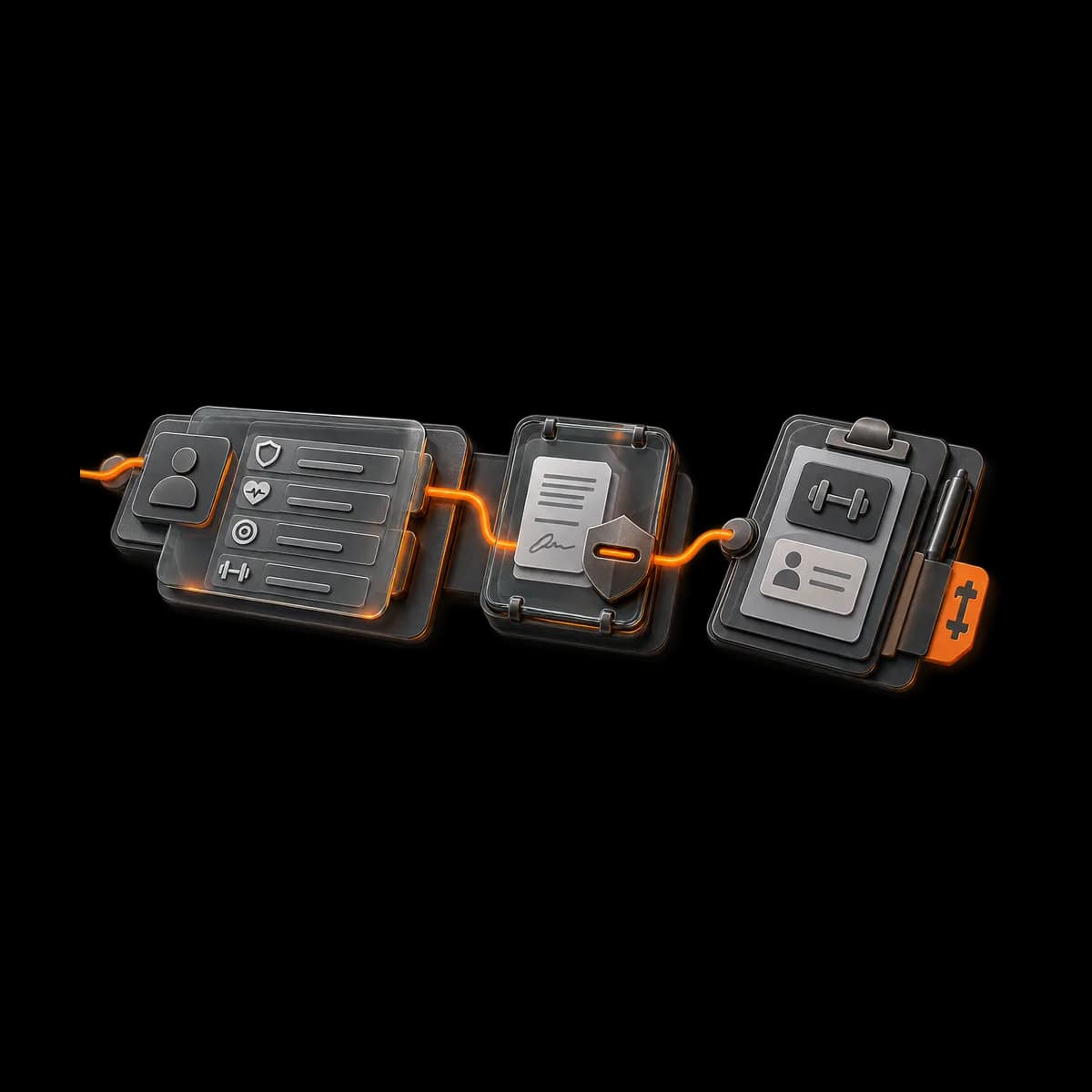
Attendance history, package context, staff assignments, and class structures all matter because they affect how reports and retention workflows behave on day one.
A migration should preserve the operating truth of the business, not just a directory of people.
What to clean before import
The best migrations remove ambiguity before the data lands in the new system. If the old data is messy, importing all of it unchanged only recreates the same operational problems in a new interface.
- Normalize duplicate members and inactive records.
- Map old class names into a cleaner class-type structure.
- Decide which attendance history is worth preserving.
- Review package states so operators are not inheriting avoidable confusion.
Translate the old system into the new operating model
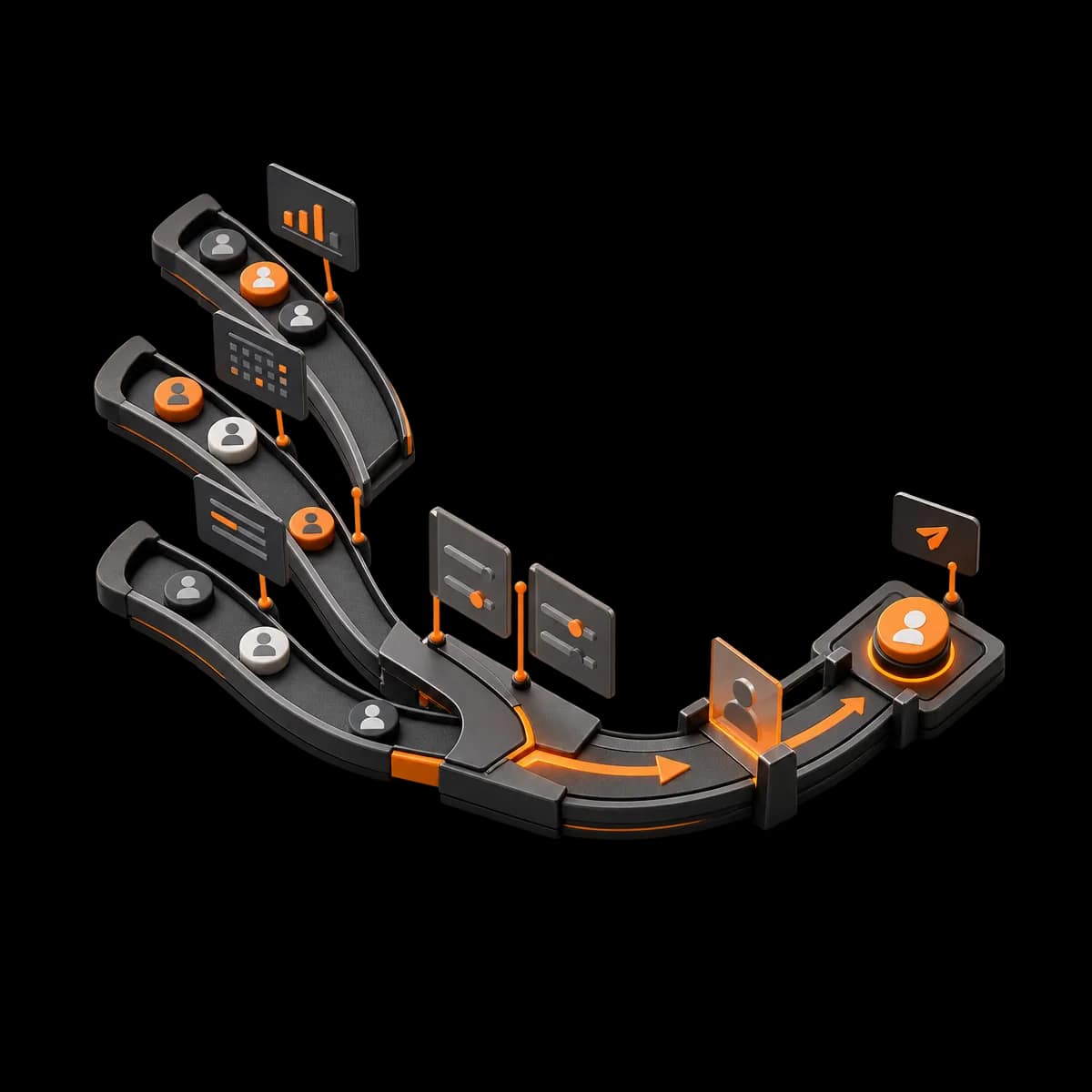
Migration is not only about moving fields. It is about translating the old operating model into the new one. Old class names may need to become cleaner class types. Legacy package names may need to map into a simpler membership structure.
That translation work is where long-term clarity comes from. If the new system simply mirrors old confusion, the migration has not really solved much.
Preserve the history that supports real decisions
Not every historical record has equal value. Operators should ask which history is required for reporting, retention detection, and day-one trust in the new system.
In most cases, that means preserving enough attendance history to understand member patterns, enough package history to avoid friction, and enough schedule structure to make future reporting meaningful.
- Recent attendance trends that inform retention
- Open or near-friction package states
- Current and upcoming schedule structure
- Staff assignments that affect delivery
- Revenue history needed for practical reporting
What success looks like
A successful migration leaves the operator with usable member records, a trustworthy schedule, and reporting that already reflects the real business structure.
That is a much better outcome than a technically complete import that still leaves the team unable to answer basic operating questions.
A good migration should make the new system immediately trustworthy
The first job of a migration is confidence. When operators open the new system, they should feel that the people, classes, packages, and reports reflect the business they actually run.
If the migration delivers that clarity, the team can start improving operations immediately instead of spending the first month cleaning up history.