
In boutique fitness, your brand isn’t your logo—it’s the accumulation of small operational moments. Members stay when the experience feels reliable, fair, and personal. They leave when they experience a few “what is going on here?” failures in a short window.
This guide is about building a service-recovery system: a deliberate way to respond when something goes wrong (schedule changes, capacity issues, coaching mistakes, support misses, billing confusion) so you protect retention without creating chaos—or training members that the fastest way to get perks is to complain the loudest.
The core idea: you don’t need more refunds. You need predictable recovery—and you need approval gates so your team can act quickly inside guardrails, while owners/managers keep control of exceptions that can quietly destroy margin and policy credibility.
Why service failures cause churn faster than pricing (and why you feel it weeks later)
Operators often misdiagnose churn as a pricing problem because cancellations show up after a billing cycle. But the trigger is usually earlier: a moment that made the member feel inconvenienced, embarrassed, unsafe, or ignored.
- Reliability breaks: last-minute class cancellations, inconsistent open/close times, missing equipment, coach coverage issues.
- Fairness breaks: policies applied inconsistently (late cancel/no-show, waitlist entry, guest rules, trial limits).
- Competence breaks: billing confusion, unclear plan terms, staff who can’t answer basic questions.
- Belonging breaks: a member who feels singled out, shamed, or brushed off—especially in high-touch environments like yoga, pilates, and martial arts.
A service-recovery system does two things at once: it repairs trust with the affected member, and it reduces repeat incidents by forcing operational clarity. Without the second part, you’re just paying “make-good tax” on the same problems forever.
The operator’s constraint: you can’t be generous and inconsistent
Most studios swing between two bad modes:
- Mode A: “No exceptions.” Policies are rigid, members feel unheard, front desk staff become the “bad guy,” and small issues become cancellations (or angry reviews).
- Mode B: “Whatever it takes.” Staff comp classes randomly, waive fees to end uncomfortable conversations, and your policies become optional. Over time, the best members (who follow rules) feel like they’re subsidizing the loudest members.
The system you want is generous but bounded. That’s what approval gates are for: they let staff do the right thing quickly, while keeping big or precedent-setting decisions from happening impulsively at the front desk.
A strong recovery system doesn’t eliminate friction. It makes friction fair, repeatable, and trust-building.
The Service-Recovery Stack (what to standardize, in what order)
Think of service recovery as a stack. If you skip levels, you’ll compensate more than you need to—and still lose members.
- Level 1: Acknowledge & clarify (fast, human, no defensiveness).
- Level 2: Fix the immediate problem (get them into a class, into a later slot, or into a workable alternative).
- Level 3: Restore fairness (make them whole if they lost value/time because of your error).
- Level 4: Restore confidence (explain what will change so it won’t repeat—without overpromising).
- Level 5: Learn & prevent (tag the incident, find pattern, make operational change).
Most teams jump straight to Level 3 (“Here’s a free class”) because it ends the conversation. But if you skip Level 4 and 5, you’ll keep buying silence rather than rebuilding trust.
Define your incident categories (because not all ‘problems’ deserve the same response)
If your staff treats every complaint as identical, you’ll either over-compensate or under-respond. The fix is to define a small set of incident categories with clear intent.
Category A: Operator fault (you caused the loss)
- Class canceled inside your “reasonable notice” window
- Coach no-show or significant lateness
- Reservation system error (member booked correctly, but got dropped / marked absent)
- Facility issue that materially changes class (HVAC failure in hot yoga, unsafe equipment, room unavailable)
Intent: make the member whole. You don’t need to “win” the discussion; you need to restore fairness and confidence.
Category B: Policy friction (member is upset about a known rule)
- Late cancel/no-show fee
- Waitlist auto-add rules
- Membership freeze limits
- Trial eligibility rules
Intent: protect policy credibility while keeping dignity. This is where inconsistency creates entitlement fastest.
Category C: Communication failure (the rule exists, but you didn’t set expectations well)
- Pricing or plan terms weren’t explained clearly at sale
- Schedule changed but notifications were inconsistent
- A new coach/style change surprised regulars
Intent: repair the expectation gap. Often the fix is proactive outreach plus a one-time make-good that is framed as accountability, not a bribe.
Category D: Behavior & boundary issues (member conduct, safety, respect)
- Harassment or disrespect to staff/other members
- Safety non-compliance (sparring rules, lifting etiquette, kids-in-gym rules)
- Chronic rule-pushing (late cancels, sharing memberships, repeated “exceptions”)
Intent: protect the community. “Recovery” here is about de-escalation and boundaries, not compensation.
Design your make-good menu (so staff aren’t inventing compensation in real time)
A make-good menu is a short list of options your team can offer. It prevents wild inconsistency and helps you choose the lowest-cost option that still restores trust.
Important: make-goods should match the type of loss.
- Time loss (they rearranged their day): offer priority rebooking help, a “late cancel forgiveness” token, or a small-value add-on—not necessarily money back.
- Class value loss (your error reduced what they paid for): offer a credit equal to the unit value, or extend expiration if applicable.
- Emotional/safety loss (they felt unsafe, singled out, or disrespected): lead with a personal call from a manager and a clear corrective action. Compensation alone won’t solve this.
- Convenience loss (parking chaos, check-in delay, app issue): fast response + clear next step beats a large credit.
Approval gates: what staff can do instantly vs. what requires manager review
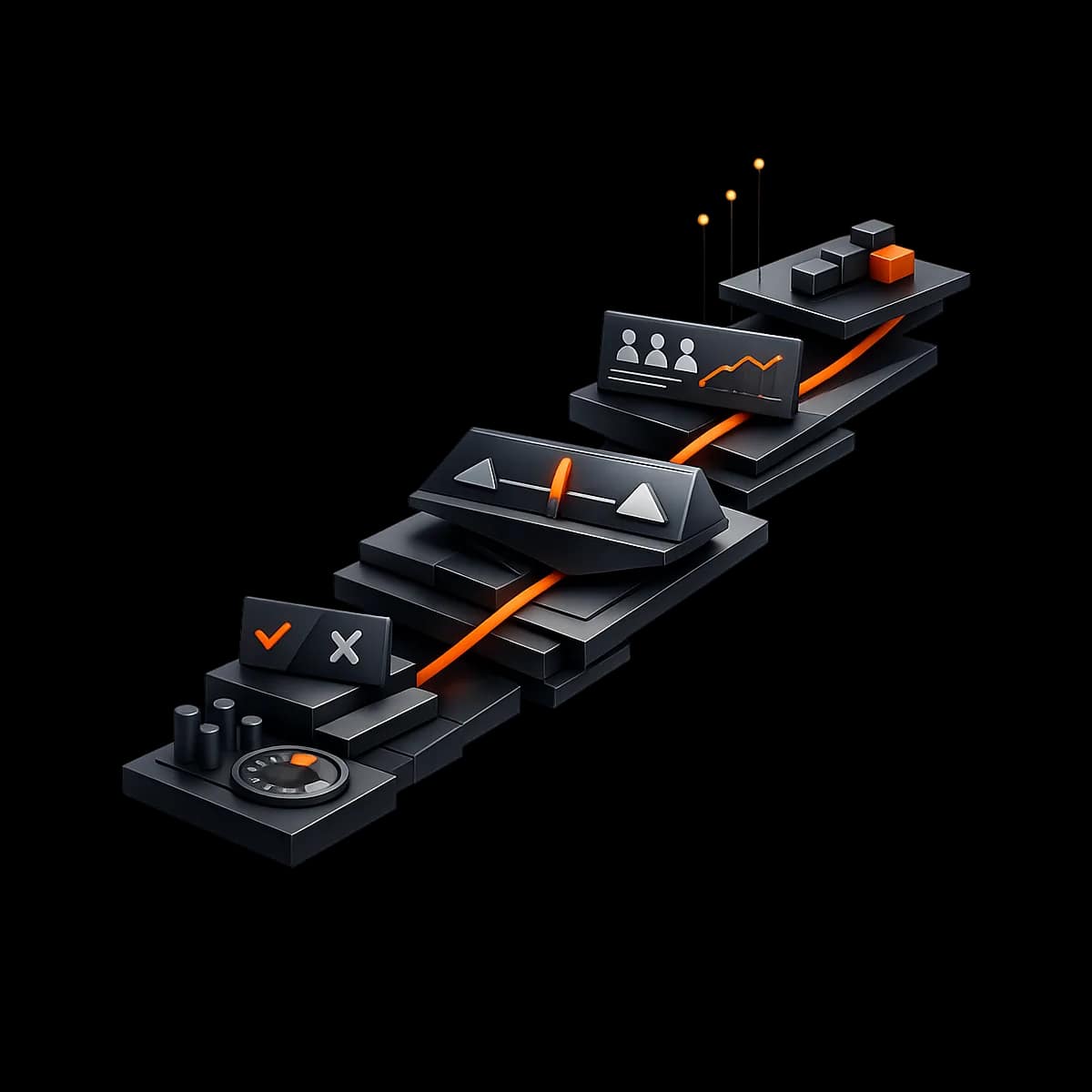
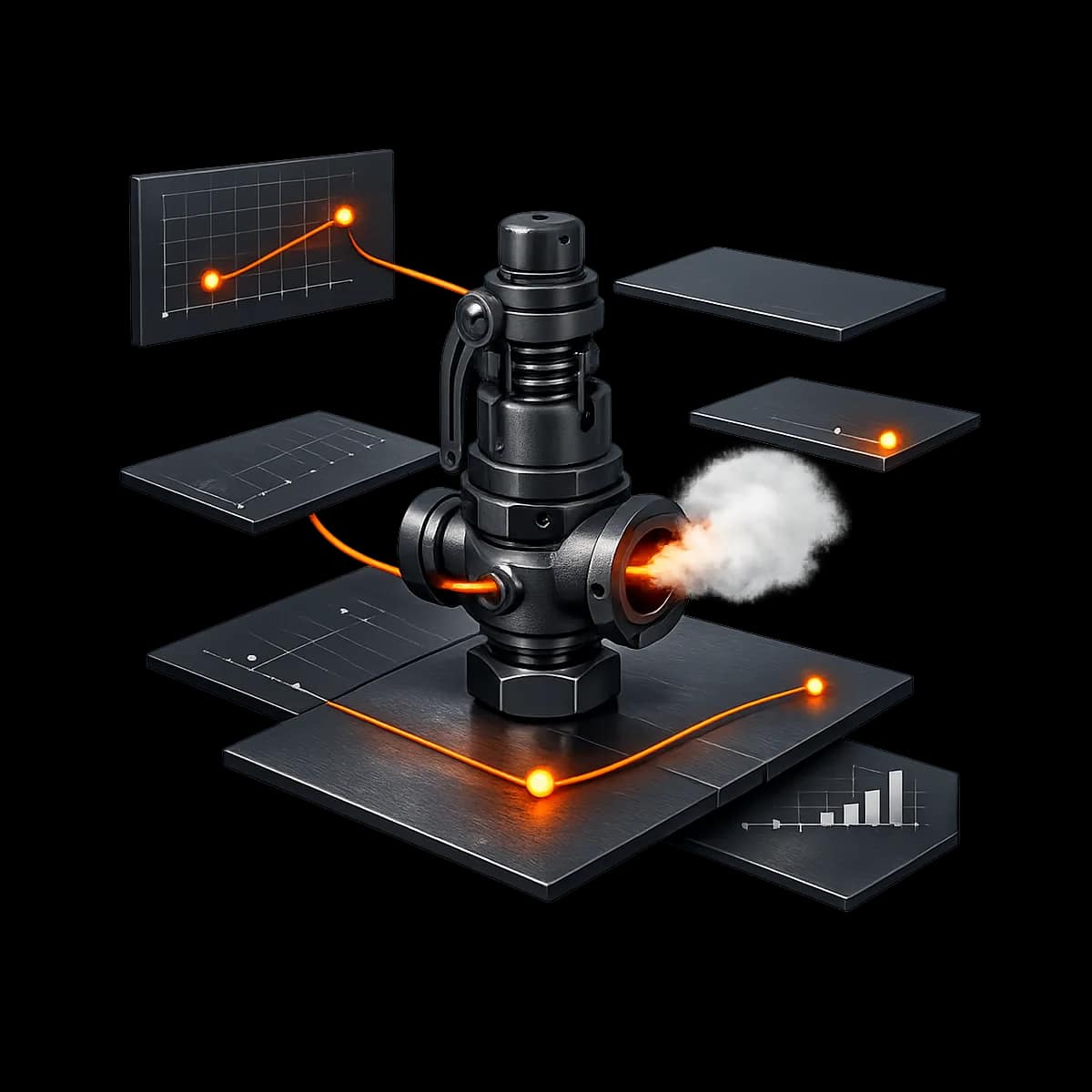
Approval gates are the difference between a generous operation and a leaky one. They answer: Who can offer what, when, and why?
Gate 1 (instant): low-cost, high-trust fixes
These are actions staff should be empowered to do without pinging a manager—because speed matters and the downside is limited.
- Priority help finding an alternative class time (including calling/texting the member with options)
- One-time “policy education + courtesy note” (documented, not invisible)
- Small add-on gestures that don’t become a precedent (e.g., extending an expiration by a few days when you caused the delay)
Gate 2 (manager approval): anything that sets precedent
- Waiving fees tied to key policies (late cancel/no-show, membership hold rules)
- Granting extra sessions/classes beyond the standard make-good menu
- Anything that changes membership terms (proration exceptions, rate changes, special freezes)
Why this matters: the moment a member learns that “asking again” yields a different answer, you’ve created a negotiation culture. That’s exhausting for staff and corrosive for retention because it makes the studio feel unfair.
Gate 3 (owner escalation): high-dollar, high-risk, or safety-related incidents
- Refund requests that could trigger chargeback risk or reputational escalation
- Incidents involving injury, harassment, discrimination, or safety claims
- Pattern issues affecting multiple members (e.g., repeated cancellations in a specific time slot)
This isn’t about being slow. It’s about being deliberate when the decision will be quoted back to you later.
Scripts that protect trust (and protect your team from improvising)
You don’t need your team to sound robotic. You need them to hit three beats: acknowledge, own the next step, set expectations.
When it’s clearly your fault (Category A)
- Acknowledge: “You’re right to be frustrated—if you planned your day around this class, we didn’t deliver what we promised.”
- Next step: “Here are two options for today, and I can reserve you in whichever one you want right now.”
- Make-good: “Because this was on us, we’re going to make it right by [approved option].”
- Expectation: “I’m also flagging this so we can prevent repeats. If it happens again, I want you to tell me directly.”
When it’s policy friction (Category B)
- Validate without conceding: “I get why that feels harsh—no one likes surprise fees.”
- Re-anchor fairness: “The policy is there so people on the waitlist get a real chance and the class runs smoothly.”
- Offer a path forward: “What I can do right now is [Gate 1 option]. If you want an exception to the policy, I can submit it for manager review, and we’ll follow up by tomorrow.”
Notice what this does: it removes the emotional pressure from the front desk. Staff aren’t saying “no.” They’re saying “here’s the system.”
The silent killer: untracked “make-good drift”
A surprising amount of revenue leakage in boutique fitness comes from well-intentioned staff doing invisible favors: comping a class here, waiving a fee there, extending expirations quietly. Each one feels small. Together they become a shadow discount program you never approved.
Approval-gated recovery doesn’t mean “be stingy.” It means: every exception is intentional, categorized, and learnable.
How to choose the right recovery offer (decision criteria that protect margin and retention)
When you’re deciding whether to offer a make-good—and which one—use criteria that are bigger than the immediate conversation.
- Severity: Did they lose the core value (class didn’t happen) or was it annoyance (minor delay)?
- Frequency: Is this a one-off, or the third time in 30 days? Repeat incidents deserve a stronger response plus an operational fix.
- Member tenure & engagement: A high-frequency long-tenure member has more at stake. A brand-new trial member is still deciding if you’re “professional.” Both can be worth saving, but the recovery message should differ.
- Precedent risk: Will this become the new expected outcome for this complaint type?
- Alternative value: Can you recover the experience by solving scheduling/capacity (often cheaper than giving value away)?
Vertical-specific examples (so it doesn’t stay theoretical)
CrossFit: coach coverage + programming consistency
If a class is canceled late or the substitute coach can’t run the intended stimulus safely, members don’t just lose a workout—they lose trust in your standards.
- Best recovery: immediate alternative time + note from head coach acknowledging the miss and confirming standards.
- When to compensate: late cancellation where no comparable alternative exists (especially for limited schedules).
- Operational fix: substitute bench coverage and a “minimum viable class” standard (what must be true for class to run).
Yoga: emotional safety + room expectations
In yoga, a single “not seen/not safe” moment can undo months of goodwill—especially if a teacher correction lands poorly or a room/environment issue breaks the experience.
- Best recovery: manager follow-up with a genuine apology + clear action (e.g., coaching feedback, consent reminders, temperature policy).
- Compensation pitfall: large freebies without addressing the emotional breach. It feels like hush money.
- Operational fix: consistent class descriptions and “what to expect” standards to reduce mismatch.
Pilates: equipment constraints + fairness perception
Pilates studios live and die by perceived fairness because equipment is scarce and schedule slots are precious. Overbooking, machine swaps, and unclear levels create fast resentment.
- Best recovery: priority rebooking + transparent explanation of how future allocation will work.
- When to escalate: any incident where one member “took” another’s spot due to staff action—this spreads socially.
- Operational fix: clearer level gating and reservation rules that prevent last-minute reshuffles.
Martial arts: belt progression trust + boundary enforcement
In martial arts, retention is strongly tied to progress and respect. Service failures often show up as inconsistency: missed classes due to schedule issues, unclear promotion criteria, or poor handling of interpersonal conflict.
- Best recovery: private conversation + plan (how the student will get back on track) rather than monetary compensation.
- Approval gate focus: discipline/boundary incidents should escalate quickly; inconsistency here damages the entire culture.
- Operational fix: publish progression expectations and ensure staff are aligned on enforcement.
Boxing: capacity spikes + first-timer experience
Boxing gyms often have demand spikes (new year, summer, fight events). The failure mode isn’t a single bad class—it’s a chaotic first two weeks where new members don’t know where to stand, what gloves to bring, or how to get attention.
- Best recovery: proactive onboarding touchpoint + a clear “next class to take” recommendation.
- Make-good that works: a targeted orientation add-on (not a blanket discount).
- Operational fix: coach assignment for first-timers and a predictable intro path.
Metrics: how to know if your recovery system is working (without obsessing over NPS)
Service recovery is an operational system, so measure it like one. You’re looking for fewer incidents, faster resolution, and lower downstream churn in the affected cohort.
- Incident rate per 100 visits (overall, and by category).
- Time-to-first-response (how quickly a human acknowledges the issue).
- Time-to-resolution (when the member can move on).
- Exception spend (credits, waived fees, extensions) as a percentage of revenue—tracked, not guessed.
- Repeat-incident rate (same type, same time slot, same coach, same policy friction).
- Churn in the “incident cohort” vs. baseline churn (30/60/90 days after the event).
If you only track “how many freebies we gave,” you’ll bias toward stinginess. If you only track “how happy they sounded,” you’ll bias toward buying peace. Track both cost and outcome.
The monthly Service-Recovery Review (15 minutes that prevents the same fires)
You don’t need a big committee. You need a recurring micro-meeting where operations and retention intersect.
- Top 3 incident types this month (by volume).
- Top 3 most expensive incidents (by exception spend).
- One policy friction to clarify (wording, signage, staff training, or member education).
- One operational fix to implement (schedule change, staffing tweak, communication template, capacity rule).
- One coaching alignment issue (sub coverage expectations, level gating, class standards).
This review is where approval-gated operations become a retention advantage: you’re not just reacting—you’re reducing the surface area for future churn.
Common tradeoffs (and how to pick intentionally)
Tradeoff 1: Speed vs. precedent
Speed saves relationships; precedent shapes culture. Solve this by allowing fast action within Gate 1, and escalating anything that could become “the new rule.”
Tradeoff 2: Generosity vs. entitlement
Generosity is retention-positive when it’s framed as accountability (“we missed, we fixed it”) and paired with prevention. It becomes entitlement when it’s framed as negotiation (“fine, I’ll waive it”).
Tradeoff 3: Protecting margin vs. protecting staff
Many owners try to protect margin by forbidding exceptions. The hidden cost is staff burnout and inconsistent “under-the-table” favors. A clear menu + approval gates often reduces total exception spend because staff stop improvising.
Where Gymizen fits (without turning this into a setup tutorial)
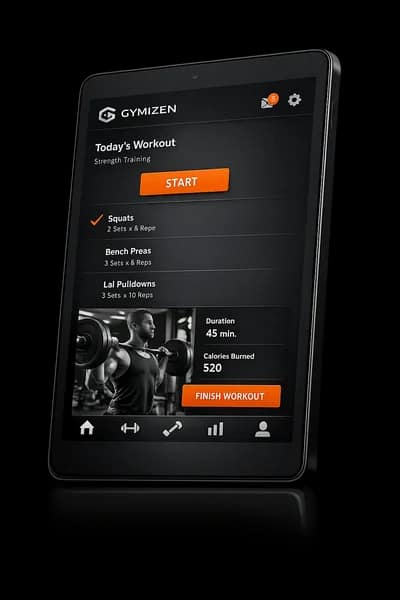
Gymizen’s operator-led philosophy is built for exactly this: proactive retention through controlled operations. Service recovery works best when incidents, member history, and exception approvals don’t live in someone’s memory or a scattered inbox.
The goal isn’t to automate empathy. The goal is to make sure your team can respond quickly, consistently, and with the right approvals—so you keep trust and keep control.
Conclusion: the outcome you’re building isn’t fewer complaints—it’s fewer cancellations
A great service-recovery system doesn’t eliminate friction. It makes friction survivable—because members believe you’re competent, fair, and accountable.
If you implement only one change from this guide, do this: define incident categories + a make-good menu + approval gates. That single structure reduces staff improvisation, protects policy credibility, and turns operational misses into retention moments instead of churn triggers.
- This week: write your 4 incident categories and decide what staff can do instantly.
- Next week: decide what requires manager approval and how escalation happens in under 24 hours.
- This month: run a 15-minute Service-Recovery Review and pick one prevention fix.
When your operation becomes predictably fair, your members relax. When your members relax, they stay longer. And in boutique fitness, longer retention is the compounding advantage.